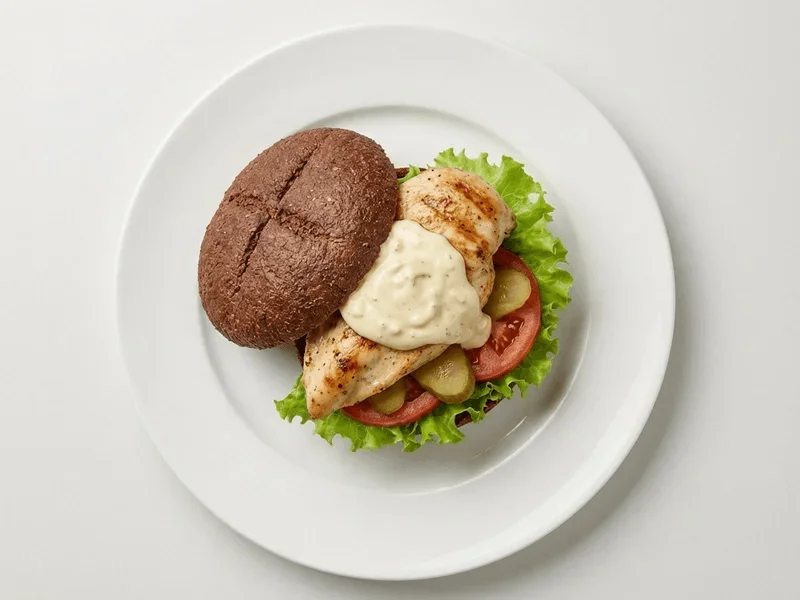
The best low-carb meals are planned, satisfying, and easy to repeat on busy days.
Low-Carb Meals That Are Easier to Stick To
18 March 2026 | Updated 26 October 2026 | Category: Low Carb Meals
Quick answer: the best low-carb meals are complete meals under about 20g of carbohydrate per plate: 150g of protein, two cups of non-starchy vegetables and enough fat to taste like dinner (Australian Food Composition Database, typical values). Meals you will repeat beat meals that are merely low; the sections below cover the plate, the label, the meals that usually break, and a beginner's guide to the carb ranges.
The best low-carb meals are the ones you will actually reorder or remake. This guide focuses on satiety, flavour, and labelled nutrition rather than turning low carb into a list of banned foods.
Low carb should still feel like dinner
Low-carb meals work best when they are built as complete meals, not as a list of foods to avoid. A satisfying plate usually starts with protein, adds vegetables, and uses flavour carefully so the meal is enjoyable enough to repeat.
That is especially important during busy weeks. If the low-carb option feels like a punishment meal, takeaway starts looking persuasive by Thursday.
Shop the range
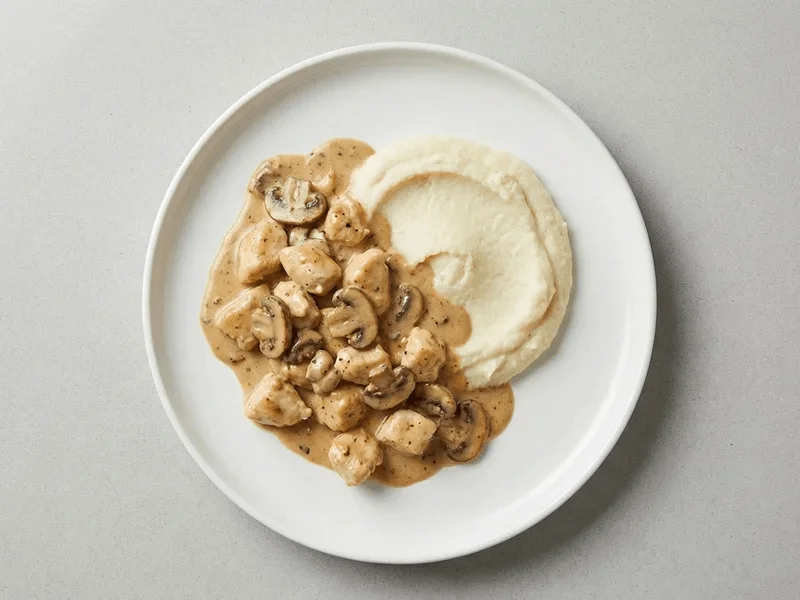
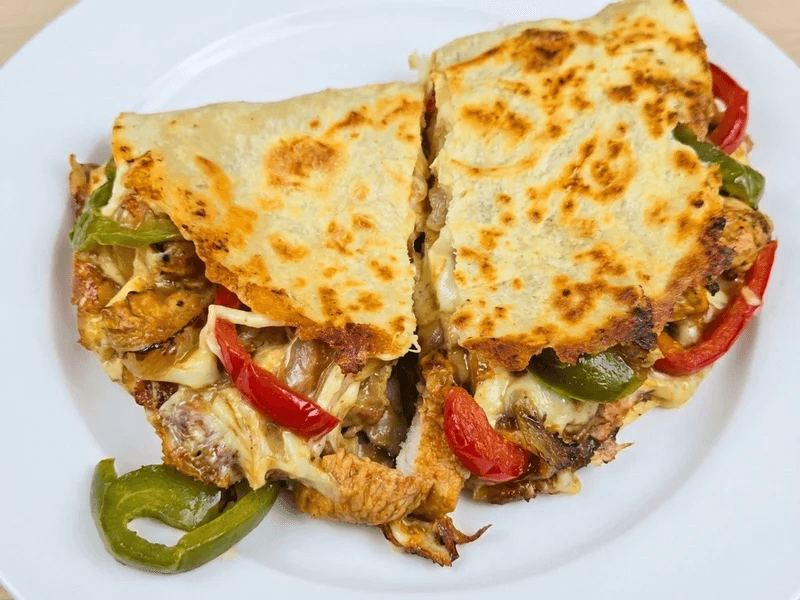
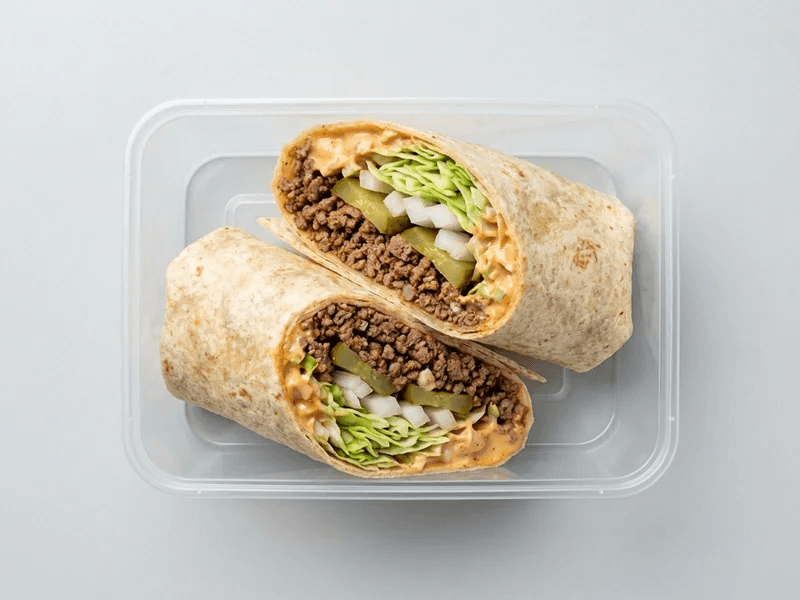
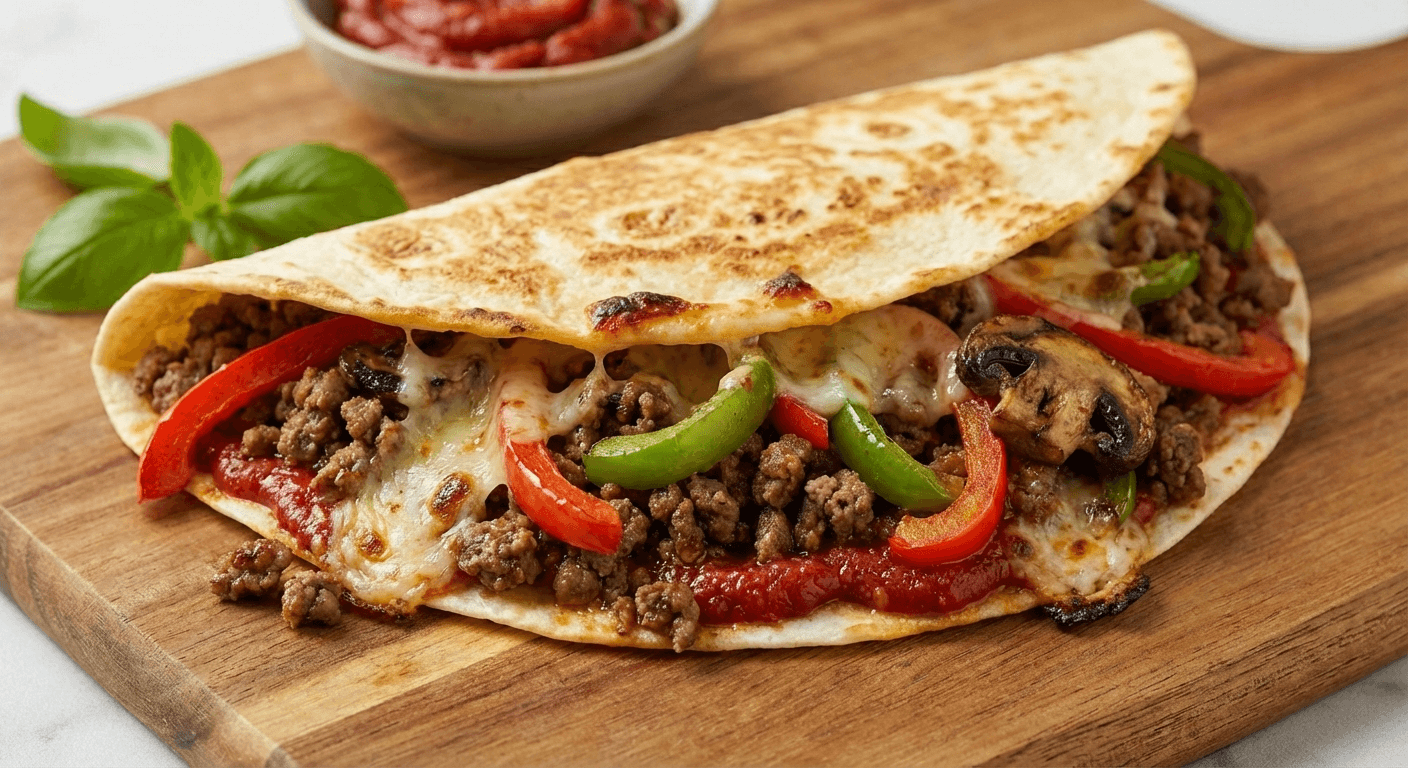
6 Foober meals that fit this guide, with the price and protein from the live menu (24 November 2026). Every meal is chef-made in Sydney, delivered chilled, with the full nutrition panel on its page.
Browse all low-carb meals — every meal shows protein, calories, carbs and fats before you order.
What to look for in a low-carb meal
Read four lines on the panel: carbohydrate per serve (under 20g for a low-carb main, under 10g for keto), protein (30g or more so the meal holds you), calories (350–550 for a main) and serve size, because a 300g meal and a 450g meal with the same carbs are different dinners. Foober's low carb meal delivery page shows all four before you order (live menu, 26 October 2026).
Foober's low-carb meal delivery category is designed to make that comparison easier before you order.
- A clear protein source such as chicken, beef, eggs, seafood, or tofu.
- Lower-starch vegetables for volume, texture, and fibre.
- Sauces and fats that add flavour without surprising the nutrition target.
Plan the meals that usually break
Most people do not need a perfect seven-day low-carb plan. They need a reliable answer for the meals where they usually get stuck. Use prepared meals for those pressure points and keep the rest of the week flexible.
Build a low-carb order you can repeat
The best low-carb Foober order usually has variety inside a clear pattern: different proteins, different sauces, and enough vegetables so meals feel complete instead of restrictive.
- Choose several proteins rather than five versions of the same meal.
- Check carbs per serve instead of relying only on the category name.
- Keep one backup meal for the night most likely to become takeaway.
Low-carb eating for beginners: the ranges, hidden carbs and the first two weeks
"Low carb" is a range, not a number. Australian guidelines put a typical intake at 45–65% of energy, roughly 230–300g a day for an average adult; moderate low-carb is usually 100–130g a day, low-carb 50–100g, and keto under 50g (often 20–25g). Australian nutrition panels print available carbohydrate with fibre already excluded, so the figure on the label is the one you count.
Carbs to reduce first, and the ones to keep
The carbohydrate that is easiest to drop is the kind that arrives by default: bread (about 14g a slice), rice and pasta (about 50g a cup cooked), sugary drinks (about 25g per 250mL), and sweet snacks. The carbohydrate worth keeping, at least on a moderate approach, comes with fibre and nutrients attached: legumes, fruit in portions, and vegetables of every kind, which barely register.
Hidden carbs in everyday Australian foods
| Food | Typical serve | Carbs (approx.) |
|---|
| Sweet chilli or barbecue sauce | 1 tablespoon | ~5–7g |
| Flavoured yoghurt | 170g tub | ~15–20g |
| Muesli bar | 1 bar (~35g) | ~20g |
| Orange juice | 250mL glass | ~22g |
| Full-strength beer | 375mL can | ~10–12g |
| Flat white (full-cream milk) | 250mL | ~12g |
| Crumbed chicken schnitzel | 150g | ~15g |
Figures are typical values from the Australian Food Composition Database and supermarket panels, rounded. The pattern: sauces, drinks and anything crumbed or flavoured carry the carbs people do not count.
What to expect in the first two weeks
Dropping carbohydrate sharply often brings a few days of lower energy, headaches or irritability as the body adjusts, partly from losing water and salt. Eating enough protein and salt, drinking more water, and not cutting calories at the same time usually smooths it. If you take medication for diabetes or blood pressure, talk to your GP before changing your carbohydrate intake; the doses may need adjusting.
Common beginner mistakes
- Eating too little: a low-carb plate still needs 30g of protein and enough fat to be a meal.
- Judging by the name: "low carb" on a pack can mean anything; the panel per serve is the number.
- Going straight to keto when moderate low-carb (100g a day) would already be a large change.
- Forgetting drinks and sauces, which can add 30–40g a day while the meals look perfect.
A realistic moderate low-carb day (about 75g)
Breakfast: two eggs with spinach and a slice of wholegrain toast (about 15g). Lunch: a chicken and salad plate with olive oil dressing (about 10g). Afternoon: Greek yoghurt with a handful of berries (about 12g). Dinner: salmon with roast pumpkin and green beans (about 15g). Drinks and extras: a flat white and a piece of fruit (about 20g). Total around 75g, with protein at every meal and nothing banned.
General nutrition information only. Low-carb eating is not the right fit for everyone, especially with some medical conditions, pregnancy, or a history of disordered eating. For personalised advice, speak with a qualified health professional.
Ready-made meals that support the plan
For a more practical next step, browse low-carb meals, compare nutrition details on the full Foober menu, and choose the meals that solve the hardest part of your week.
General nutrition information only. Low-carb eating is not the right fit for everyone, especially with some medical conditions, pregnancy, or a history of disordered eating. For personalised advice, speak with a qualified health professional.
Related Foober guides and meal pages
Keep exploring this topic with Foober pages that connect the nutrition guide to practical meal choices.
A note on this article. Foober blog articles are researched with the assistance of AI tooling for source-gathering and structural drafting, then reviewed and edited by Tee — Foober's founder and certified fitness trainer — for accuracy, tone, and relevance. Nothing on this blog constitutes medical, nutritional, dietetic, or fitness advice tailored to your individual circumstances. Foober is a meal delivery service, not a healthcare provider. For personalised guidance — especially regarding medications, medical conditions, allergies, pregnancy, or significant dietary changes — please consult a qualified healthcare professional (your GP, an Accredited Practising Dietitian, or equivalent).
Browse by goal
- Low-carb meals - Lower-carb lunches and dinners with carb grams visible before checkout.
Foober — High-Protein Meal Delivery, Australia